Over 50 Years of Experience | We can lift it & shift it!

Before You Hire a Crane: 7 Things People Always Get Wrong
December 16, 2025
Hiring a crane is often treated as just another line item in a project budget, but in reality, it can determine whether a job runs smoothly or becomes a logistical headache. From residential builds to commercial installations and infrastructure works, crane operations involve far more planning than most people expect. At GBP Cranes & Heavy Haulage, we have worked across countless sites throughout NSW and consistently see the same avoidable mistakes repeated. If you are planning a lift and looking into crane hire in NSW, understanding these issues early can save time, money and serious safety risks.
Below are the seven most common things people get wrong before hiring a crane and why addressing them early can make a significant difference to your project.
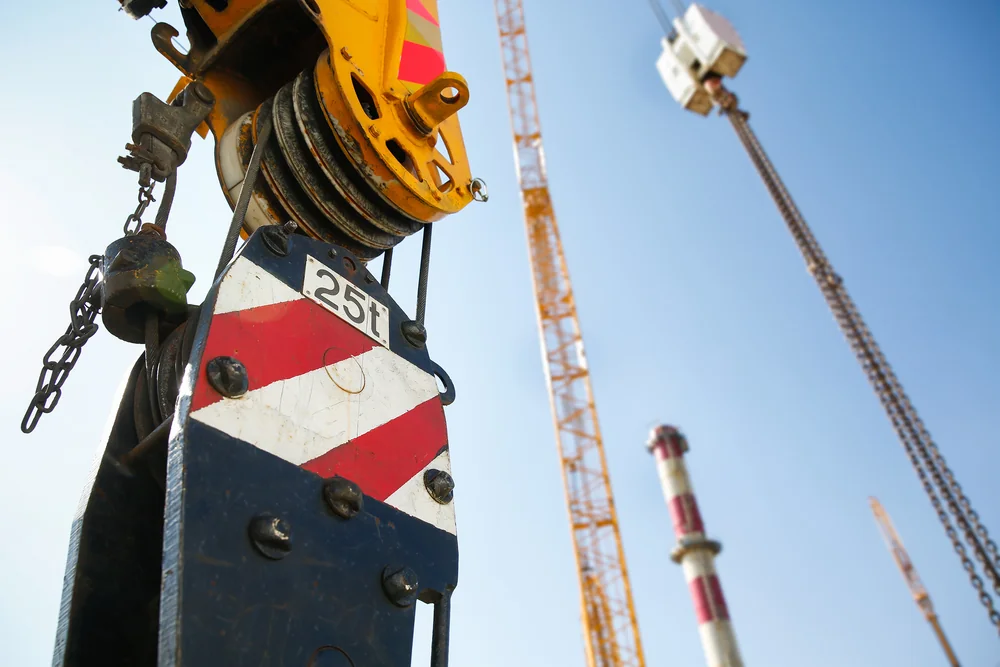
One of the most frequent issues we encounter is inaccurate or incomplete load weight information. Many people assume that an estimate will be close enough, but crane lifting does not allow for guesswork.
A crane’s lifting capacity depends not only on the weight of the load but also on how far it needs to be lifted and positioned. As the lift radius increases, the safe working load decreases. This means that even a small error in weight can result in selecting the wrong crane or creating an unsafe lift.
Load weights are often underestimated because people forget to account for additional elements such as:
Providing accurate weight details allows the lift to be properly planned and engineered. When exact figures are unavailable, detailed measurements and material information help experienced operators calculate a safe and realistic load.
Another common mistake is assuming that if the load fits on site, the crane will too. In reality, cranes require a surprising amount of space to operate safely.
Beyond simply parking the crane, sufficient room is needed to fully deploy outriggers, manage counterweights and allow the boom to slew without obstruction. On many NSW worksites, particularly residential or inner-city locations, access is restricted by fences, neighbouring buildings, parked vehicles, or narrow streets.
In some situations, additional planning is required, including traffic control, temporary road closures, or council approvals. Identifying access and space constraints early helps avoid delays on the day of the lift and ensures the crane can be positioned safely and efficiently.
Ground conditions play a critical role in crane safety, yet they are often overlooked or assumed to be adequate without proper assessment.
Cranes place significant pressure on the ground through their outriggers, especially during heavy lifts or when working at extended reach. If the ground cannot support this load, the crane may sink, shift, or become unstable.
Common ground-related issues include:
Australian weather conditions can also impact ground stability, particularly after periods of heavy rain. Assessing ground conditions early allows for proper preparation, such as the use of crane mats or steel plates to distribute weight evenly and maintain stability throughout the lift.
Overhead power lines remain one of the most serious hazards when operating cranes in Australia. Despite this, they are often identified too late in the planning process.
In NSW, strict regulations apply to minimum clearance distances between cranes and live electrical infrastructure. These requirements exist because cranes move dynamically during operation. Boom movement, load swing and wind conditions can all reduce clearances unexpectedly.
What many people do not realise is that direct contact is not required for danger to occur. Electricity can arc across gaps, putting operators and ground crews at risk. Proper planning involves identifying overhead services early and working with your crane provider to determine safe positioning, additional controls, or power shutdowns where required.
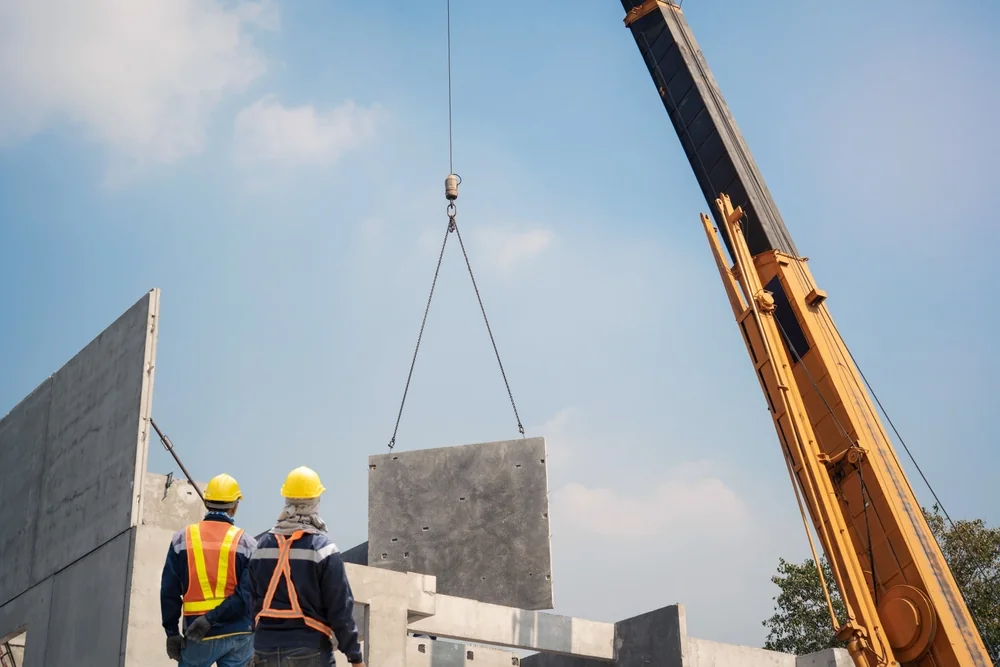
Not all cranes are suited to every lift, and selecting the wrong type can lead to inefficiencies or even failed lifts.
Different cranes are designed for different environments and applications. Factors such as load weight, lift radius, site access and ground conditions all influence which crane is most suitable. Choosing equipment based solely on availability or price can result in longer setup times, restricted reach, or the need to rebook a different crane altogether.
By providing clear site details and project requirements upfront, crane professionals can recommend the right equipment from the start, ensuring the lift is completed safely and efficiently.
Crane hire costs are often misunderstood, leading to frustration when the final invoice exceeds expectations. This usually occurs because people focus only on the hourly rate without understanding what is included.
In Australia, crane hire typically involves more than just the crane itself. Costs may include operator wages, mobilisation, travel time, minimum hire periods and setup and pack-down time. Additional charges can arise if delays occur due to poor site access, incomplete preparation, or changes to the scope of work.
Clear communication about timelines, site conditions and access requirements allows for accurate pricing from the outset and helps avoid unnecessary surprises.
Even with the right crane and experienced operators, a poorly prepared site can bring a job to a standstill. This is one of the most common and avoidable mistakes we see.
A crane-ready site allows work to begin immediately upon arrival. Preparation typically includes:
When these steps are overlooked, crane downtime increases, costs escalate and project schedules are disrupted. Proper site preparation is one of the simplest ways to maximise the value of crane hire.
Hiring a crane is not just about booking equipment; it is about planning a safe, efficient lift that suits your site, your load and your timeline. By avoiding these common mistakes, you can reduce risk, control costs and keep your project moving forward. At GBP Cranes & Heavy Haulage, we believe that clear communication and proper preparation lead to safer lifts and better outcomes across worksites throughout NSW.
