Over 50 Years of Experience | We can lift it & shift it!

Common Mining Recovery Failures in NSW and How They Are Prevented
January 23, 2026
When mining recovery goes wrong in NSW it is rarely due to a single issue. Problems usually stem from rushed decision making, misjudged ground conditions, poor load stability or recovery plans that have not been fully thought through. When these factors combine the result is often costly equipment damage extended downtime and serious safety risks for everyone on site.
Mining recovery in NSW is particularly challenging because operators, supervisors and contractors are often working under pressure to remove bogged, rolled or damaged machinery as quickly as possible. Without a clear recovery strategy one misstep can escalate into a reportable incident or widespread disruption across the operation.
At GBP Cranes & Heavy Haulage we see the best outcomes when recovery work is approached methodically with structured planning appropriate equipment selection and clear coordination between all parties involved. In this article we will outline where mining recovery operations most commonly fail and the practical steps that help prevent expensive and avoidable setbacks on NSW mine sites.
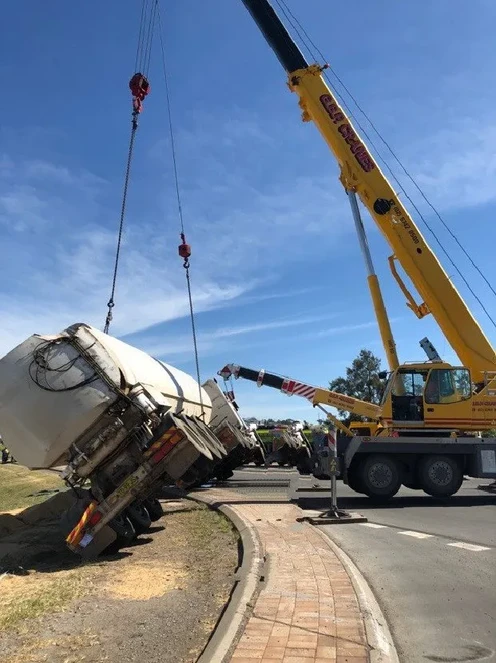
Mining recovery in NSW is not just about “getting it unstuck” or “lifting it back upright”. On NSW mine sites, recoveries often happen in high-pressure conditions where production is waiting, access is limited and the ground can shift quickly due to rain, dust or ongoing works. In that environment, even experienced teams can fall into common traps that lead to equipment damage, safety incidents and costly delays.
Most failures do not come from one massive mistake. They happen because planning is incomplete, assumptions are made too early or different contractors are not aligned in how the recovery should unfold. Below are the most common ways mining recovery operations go wrong and why they create serious consequences.
One of the biggest causes of failed mining recoveries is assuming the machine or load is “stable enough” to proceed. Heavy mining equipment is unpredictable when it is bogged, damaged, tipped or sitting at an angle. Even slight movement can become sudden and uncontrollable once tension is applied through winching, lifting or pulling.
This risk becomes even higher when the equipment has already been compromised. Structural points may be bent or cracked. Attachments may have shifted. Hydraulics may have leaked, leaving components unsupported. Weight distribution can also change dramatically depending on how the machine is sitting and what parts of it are buried.
Common stability issues include:
If these stability factors are not properly assessed, the recovery can quickly turn from controlled to dangerous.
A mining recovery can be technically correct but still fail because access was not planned properly. This is extremely common in NSW, especially during wet weather conditions, on steep haul roads or on benches where space is tight and ground conditions are unpredictable.
Site access is not simply “can the truck drive in.” It includes:
A lack of proper access assessment often leads to last-minute changes on-site. That is when people start improvising. Improvisation is one of the leading causes of recovery failures, because instead of following an engineered plan, teams are forced to “make it work” under pressure.
Typical site access planning mistakes include:
Once the equipment is already mobilised and time pressure increases, the recovery becomes reactive. That is exactly when costly mistakes happen.
Mining recovery almost always involves multiple contractors and multiple moving parts. In NSW, it is common to see separate teams handling the recovery, lifting, rigging and heavy haulage. Each party may be skilled in their role, but when the overall recovery sequence is not aligned, even a simple job becomes messy.
A coordination failure usually looks like this:
The most dangerous breakdown is when teams are working off different assumptions. One team might think the next step is lifting, another might assume winching and someone else is planning transport. That gap creates confusion, rushed decisions and unsafe movements.
Common consequences of poor coordination include:
Mining recovery works best when everyone follows one agreed plan with one clear sequence and one nominated controller.
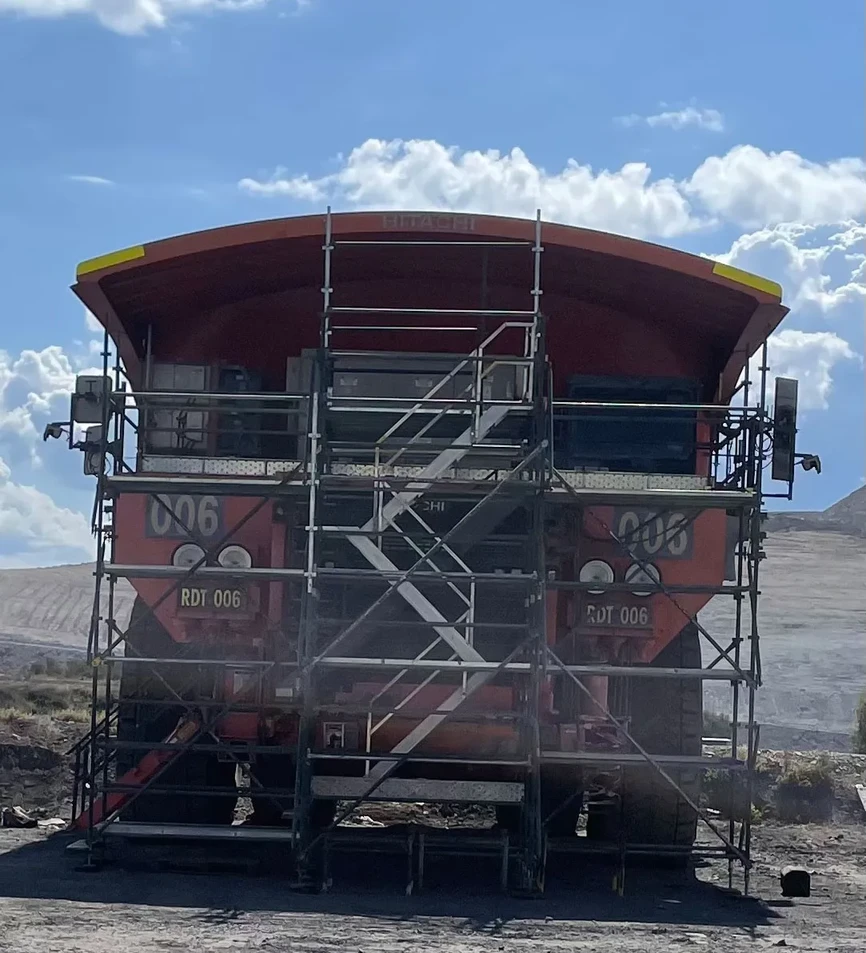
Preventing costly mining recovery failures is not about making the job slower. It is about making it structured. NSW mine sites move fast and downtime is expensive, so the goal is to complete recovery work efficiently while controlling risk. The best way to do that is to treat recovery as a high-risk engineered operation, not a quick fix.
In our experience, the difference between a smooth recovery and a costly failure usually comes down to three things: early engineering input, choosing the right equipment for the conditions and maintaining clear communication across all contractors.
Engineering review is one of the most undervalued steps in mining recovery. Many failures occur simply because the lift or recovery method was decided based on assumptions rather than calculations. Even if a machine’s weight is known, the lifting and recovery forces may be far more complex due to angle, suction, embedment or shifting loads.
A structured recovery plan should cover:
This is especially critical in NSW where conditions such as rain, clay ground and disturbed benches can drastically alter stability.
A good engineering review prevents:
When the plan is engineered and structured before mobilisation, the recovery becomes repeatable rather than risky.
The wrong equipment selection is another major cause of recovery failure. It is not enough to choose equipment that “can lift the weight.” Equipment must match site conditions, setup limitations and recovery methods.
For NSW mine sites, equipment selection must consider:
Selecting the correct equipment means:
When equipment is matched properly, the recovery becomes safer and cleaner. It also reduces the need for rework, re-rigging and equipment damage that adds cost.
Even with solid planning and the right machinery, a mining recovery can still fail if communication is poor. Most recoveries involve at least three groups: site personnel, lifting and rigging crews and transport or heavy haulage teams. If those groups are not aligned, the recovery can stall or become dangerous.
Communication and sequencing should include:
Effective sequencing should make it clear:
When sequencing is communicated clearly, recoveries run smoother, faster and safer. People stop guessing and start executing, which is exactly how you prevent costly failures.
Mining recovery can go wrong very quickly, especially on busy NSW mine sites where time pressure pushes decisions. Most failures happen when load stability is underestimated, lift planning is incomplete, site access is misjudged or contractors are not aligned on the sequence of work. The result is avoidable downtime, equipment damage and serious risk to onsite personnel.
At GBP Cranes & Heavy Haulage, we believe that the best recoveries are engineered early, resourced correctly and coordinated clearly across the entire team. When mining recovery is treated as a structured operation rather than a rushed response, costly failures can be prevented and the site can return to productivity safely and efficiently.
