Over 50 Years of Experience | We can lift it & shift it!

How Better Crane Monitoring Helps Reduce Downtime on Remote Mining Sites
April 30, 2026
Operating cranes on remote mining sites exposes operations to a unique set of risks and costs where distance from major centres, limited on-site support and harsh conditions make every lift more critical and every breakdown more expensive. Smarter crane monitoring transforms lifting fleets from potential bottlenecks into reliable assets that support production continuity, especially in environments tied to mining recovery in NSW where uptime and efficiency directly influence project outcomes. GBP Cranes & Heavy Haulage discusses how improved visibility into crane performance helps reduce unplanned downtime, strengthen safety and protect schedule and budget on remote mining operations.
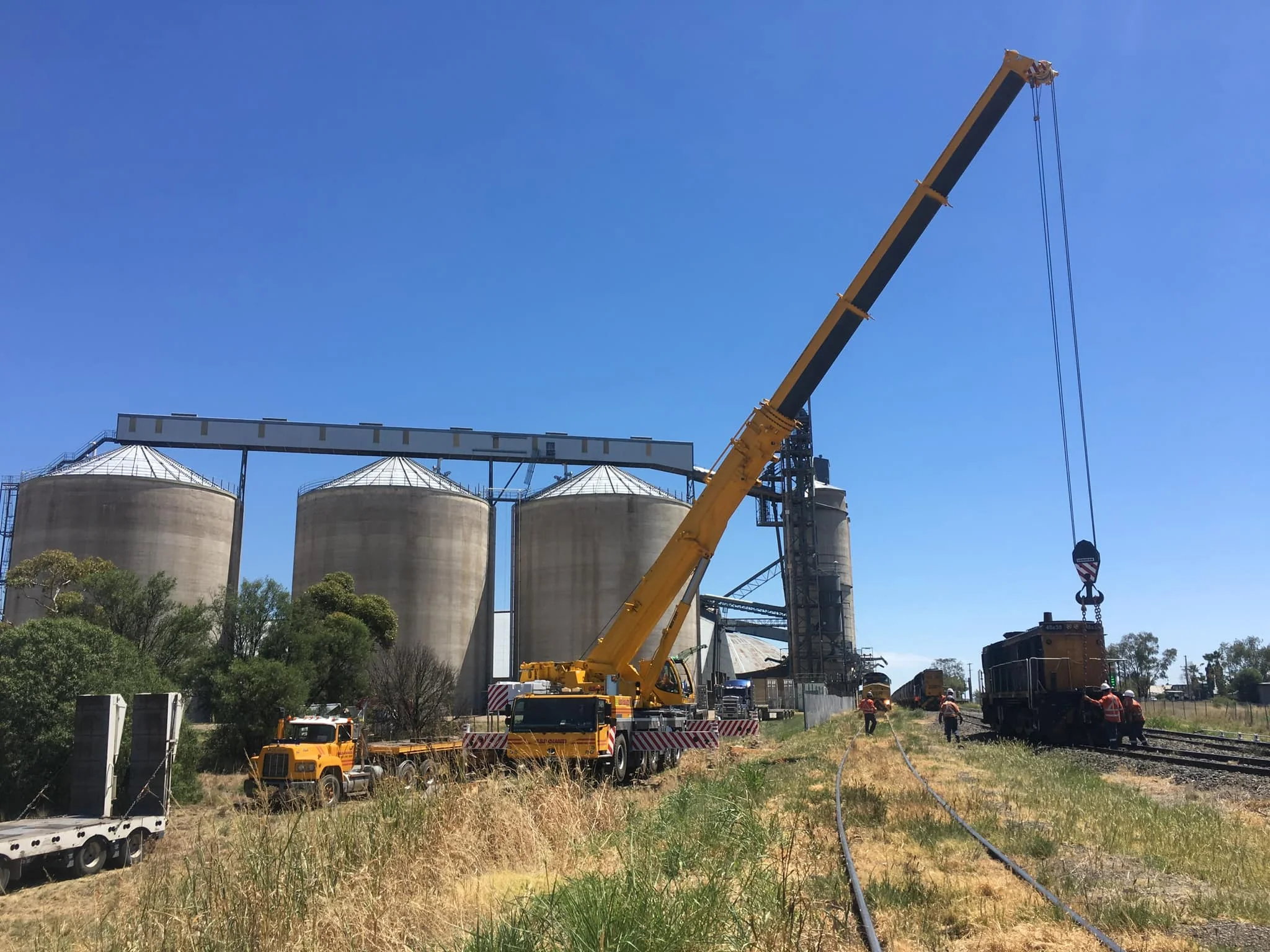
Better crane monitoring on a remote mining site means having accurate real-time visibility of crane condition, usage and risk so that issues are caught early and lifting operations keep moving. It is a shift from reactive fixing when something breaks to proactive control of cranes, operators and lift environments in locations where outside support is far away and every hour of downtime is costly.
On a remote site, effective monitoring brings together data from load indicators, sensors, inspections and operator feedback into a clear picture of what each crane is doing and what it will need next. That clarity lets site teams schedule maintenance smarter, avoid overloads and reduce unexpected stoppages.
At the heart of better monitoring is live tracking of how cranes are being used. Load moment indicators and telemetry show the actual load on the hook, radius, boom angle and wind conditions as lifts take place. Instead of relying only on operator judgement, supervisors can see whether a crane is consistently working near its limits or being used outside planned parameters.
Eventually, this usage data reveals patterns. A crane that is frequently near maximum capacity or working at a high radius in strong winds will experience higher wear. With proper monitoring, this is identified early, so components likely to fatigue can be inspected or replaced before they fail. In remote regions where replacement parts take days to arrive, this preventative insight is critical to keeping lifting operations online.
Usage data also helps refine lift planning. If real operations show that a particular area of the pit consistently demands heavier picks than expected, the right crane can be allocated or lift plans can be adjusted before a problematic lift is attempted.
Condition monitoring goes beyond hours on the clock to track the actual health of key systems. Sensors and inspection records are used to monitor items such as wire rope condition, hydraulic pressures, engine performance, slew bearing temperatures and fault codes from the crane control system.
Instead of fixed calendar or hour-based servicing, maintenance intervals can be adjusted according to actual conditions. For example, sudden increases in hydraulic temperature or recurring fault codes can trigger a targeted inspection before a hose bursts or a control module fails. In a remote setting, that type of early warning can be the difference between a planned half-day service and a multi-day outage waiting for spares and technicians.
Monitoring on remote mining sites is not only mechanical. Effective systems also track operator practices and safety-critical events. Data on overload alarms, anti-two-block alarms, slew restrictions, wind alarms and outrigger or crawler configuration shows how cranes are actually being operated.
A crane that regularly triggers overload or stability alarms is a clear red flag. That information makes it possible to intervene through additional training, revised lift plans or changes to site layout before an incident occurs. Reduced incidents translate directly into less unscheduled downtime tied to investigations, damage repairs or regulatory delays.
Remote visibility is another advantage. In isolated locations, management and technical specialists may be hundreds of kilometres away. With connected monitoring, they can review live or recent crane data, confirm whether a crane is safe to return to work and support troubleshooting without needing to be on site. This reduces time lost while decisions are made and keeps critical lifting equipment in productive service for longer.
Crane downtime on a remote mine site does not just slow a single lift. It can halt production schedules, strand critical materials and put entire project milestones at risk. The distance from major service hubs, limited access to parts and personnel and harsh site conditions all combine to turn what might be a short stoppage in a city into a multi‑day shutdown on a remote operation.
Understanding why remote conditions magnify the impact of downtime is essential for planning crane use and maintenance. It clarifies why advanced monitoring systems are not a luxury but a core productivity tool in modern mining logistics.
In remote mining regions, any unplanned breakdown quickly becomes a logistical challenge. Replacement parts are often held off-site, so every unscheduled failure can trigger urgent freight requests that depend on road train schedules or charter flights. If a critical sensor or hydraulic component fails without warning, the crane may stand idle while a single part travels hundreds of kilometres.
Specialist crane technicians are usually based in regional centres rather than on the mine itself. When a fault is not clearly diagnosed, technicians may need to travel in just to work out what has gone wrong, then return later with the correct parts. That double visit extends downtime and inflates costs. Reliable monitoring that pinpoints likely causes and component status helps ensure the right parts and expertise arrive on the first trip, shortening repair windows.
Remote mining environments expose cranes to extremes of dust, heat, vibration and uneven ground that accelerate wear on structural components, hydraulic systems and electronics. Unmonitored issues such as rising operating temperatures, increasing cycle counts or repeated overload warnings can quickly become serious faults.
When cranes work at the limits of capacity, often around live plant and heavy vehicle movements, the safety margin must be carefully protected. An unexpected failure can shut down an entire area while inspections are completed and clearances are reissued. Enhanced monitoring that tracks utilisation and condition in real time allows maintenance to be scheduled before minor defects become safety incidents that force extended shutdowns across the site.
Effective crane monitoring turns raw operating data into early warning signals that prevent unplanned stoppages. By tracking key parameters in real time, maintenance teams on remote mining sites can see small problems developing long before they shut a crane down, then plan the right intervention at the right time.
Instead of reacting to breakdowns, monitoring data supports a structured maintenance schedule. This keeps critical lifting equipment available for production while still protecting safety and asset life.
Modern crane monitoring systems track load, wind speed, slew and hoist movements, duty cycles, hydraulic pressures, temperatures and fault codes. When these values drift outside pre‑set thresholds, alerts highlight abnormal behaviour that would otherwise go unnoticed during normal operations.
Repeated overload events, for example, show up in the data even if operators complete lifts without incident. Similarly, rising operating temperatures in motors or hydraulic systems can show early signs of wear or contamination. Small increases in hoist cycle times, frequent minor fault resets or unusual power consumption are all indicators that components are under strain.
With consistent monitoring, maintenance can move away from rigid calendar intervals and shift towards condition‑based tasks. Instead of servicing cranes purely on hours or dates, work is planned when the data indicates that components are approaching functional limits.
Here are some examples:
Longer-term trend analysis supports predictive maintenance. Gradual changes in vibration levels, motor current draw or hoist speed can be used to forecast likely failure windows. This allows parts to be ordered in advance and maintenance windows to be aligned with planned production outages, which is important when parts and technicians must travel long distances to the site.
Reliable monitoring information gives planners accurate visibility of how each crane is being used. This allows more precise forecasts of spares consumption on remote mines and avoids both overstocking and critical shortages. Historical monitoring data clarifies which cranes and components are working hardest. Maintenance planners can then:
As a result, crane downtime becomes shorter, more predictable and less disruptive to mine production.
Better crane monitoring gives remote mining operators clear visibility of crane health and utilisation in real time. When critical lifting assets are hundreds of kilometres from major service hubs, this visibility is essential for preventing failures and keeping production on schedule. Instead of reacting to unexpected breakdowns, maintenance and operations teams can plan work around accurate data so cranes are ready when the mine needs them most.
Effective monitoring systems combine load data, duty cycles, fault codes, operator behaviours and environmental conditions. Analysing this information eventually turns raw sensor readings into practical decisions about when to service a crane, how to schedule lifts and where to reduce risk that could lead to unplanned downtime.
Modern crane monitoring tracks load, slew angle, boom configuration, wind speed, hydraulic pressures and engine performance in real time. When thresholds are approached, the system flags issues before they become failures.
For remote mining sites, this means minor abnormalities are detected early instead of only being noticed during a breakdown. For example, repeated overload warnings on a particular lift path can highlight a planning issue that is stressing the crane structure. Rising hydraulic temperature trends can indicate contamination or partial blockage long before a hose bursts.
Remote access to data lets maintenance planners and technical specialists review crane performance without being on site. Fault codes and sensor readings can be examined in detail so the right parts, tools and technicians are staged before a maintenance visit. This removes the common scenario where a professional flies in to diagnose a problem, then has to return later with the correct component.
In harsh mining environments, default time-based service intervals are often overly conservative or, in some cases, not conservative enough. Crane monitoring enables condition-based maintenance where actual usage and stress levels determine what work is required and when. Key maintenance activities can be triggered by:
This approach improves reliability because components are serviced as they begin to wear, not after they fail. It also supports better parts inventory planning and fewer emergency freight costs, which are significant in remote mining locations.
Monitoring data provides a detailed record of how each crane is actually used across a site. Load charts are compared against real lifts to show utilisation levels and margin to capacity. Operations teams can use this information to match crane size to task more accurately and avoid tying up larger cranes on work that a smaller unit could handle.
Accurate utilisation data also improves scheduling. Instead of conservative assumptions about how long each lift will take, planners can rely on real cycle times and setup durations. This reduces idle time between tasks and helps coordinate cranes with other critical equipment, such as haul trucks and processing plant shutdowns.
Improved crane monitoring delivers the greatest benefits where lifting operations are critical to production, difficult to access and highly exposed to unplanned stoppages. On remote mining sites, this usually means high‑capacity mobile cranes, crawler cranes and support lifting equipment that are essential for keeping process plants, haulage systems and loading facilities running.
By focusing monitoring technology and processes on these high‑impact areas, mining operators can cut avoidable downtime, reduce emergency callouts and extend equipment life while maintaining a strong safety posture.
Crane monitoring provides the most value where every hour of delay affects ore throughput or processing capacity. In these locations, real‑time insight into crane condition and performance helps plan maintenance without disrupting production. Here are some applications to remember:
On these tasks, live data on load, boom angles, hydraulic pressures and duty cycles allows planners to predict when components will reach their limits and schedule work during planned outages instead of reacting to in‑shift breakdowns. Historical lift data also supports engineering reviews, so lift configurations can be optimised for future shutdowns, shortening critical path durations and improving utilisation of limited crane time on site.
Remote mines often rely on a small number of cranes that support a wide area of operations. A breakdown in these locations can halt multiple work fronts, particularly where travel distances are large and spares must be freighted in.
Better monitoring delivers value by:
Telematics and health monitoring allow site management and off‑site support teams to view fault codes promptly, operating hours and overload events. This supports remote diagnostics so technicians can arrive with the right parts and tools or resolve issues without a site visit.
Mining projects frequently involve complex lifts in confined process areas, on uneven ground or in rapidly changing conditions such as tailings facilities and developing pits. In these environments, real‑time crane monitoring is a key safeguard for both safety and uptime.
Monitoring delivers value where:
Live tracking of load charts, outrigger pressures and slew zones supports safer decisions on the ground and reduces the risk of incidents that would trigger lengthy shutdowns or regulatory intervention. Logged data from previous lifts in the same area also helps engineering teams refine lift studies and ground preparation requirements so future work proceeds with fewer delays and less rework.
In remote mining environments where every hour of availability directly influences production targets and project viability, better crane monitoring is a core operational requirement rather than an optional improvement. Integrating real-time condition data, structured inspection processes, predictive maintenance analytics and clear reporting frameworks enables lifting equipment to operate with greater consistency and control. The outcome is reduced unplanned downtime, improved safety performance, faster fault diagnosis and more effective lifecycle planning that protects both personnel and capital assets while supporting reliable project delivery.
