Over 50 Years of Experience | We can lift it & shift it!

How to Plan Safe Lifting Operations on Mining Sites
February 13, 2026
Safe lifting on mining sites is never a matter of luck. It is the result of disciplined planning, clear communication and the right specialist equipment working together under tight controls. In high-risk environments, even a routine lift can escalate quickly if ground conditions are misjudged, loads are poorly assessed or crane configurations are not correctly matched to the task. Crane coordinators have seen how structured planning transforms lifting operations from a potential hazard into a controlled and predictable process that protects people, assets and production schedules.
GBP Cranes & Heavy Haulage explores the core elements that underpin safe lifting on mining projects. Readers will see how to approach risk assessment specific to mining sites, select appropriate cranes and lifting gear for challenging terrain, coordinate personnel and communication on congested sites and integrate lift planning with wider site safety systems and regulatory requirements. This mining recovery in NSW discussion also looks at load path planning, ground assessment and the value of competent supervision and documentation in keeping operations auditable and compliant. By understanding these aspects, mining operators, project managers and supervisors can reduce unplanned downtime, avoid costly incidents and maintain consistent lifting performance across their sites.
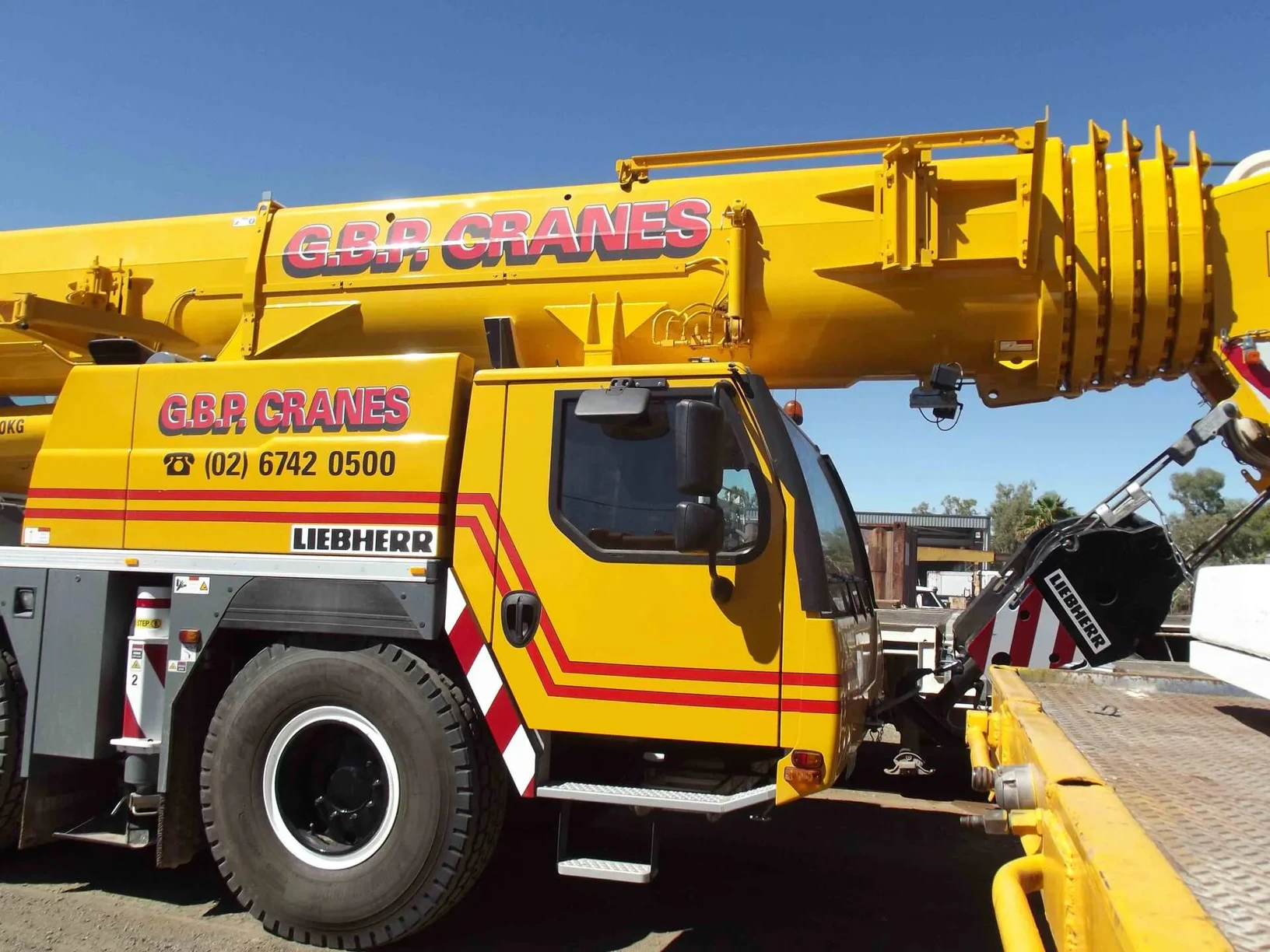
Effective lift planning is one of the most important controls for preventing serious incidents on mining sites. With heavy equipment, limited access, soft or uneven ground and constantly changing work areas, even a simple lift can quickly become high risk if it is not planned correctly. Proper planning ensures the right crane, rigging, people and procedures are in place before the load ever leaves the ground.
For operators and site managers, a structured lift plan provides a clear roadmap that identifies hazards, sets out safe working limits and defines who is responsible for each part of the lift. This reduces the chance of costly delays, damage to critical mining assets and injuries to workers.
Mining operations involve oversized plant components, long structural members, conveyor sections and heavy wear parts that often need to be lifted in tight or difficult locations. Without detailed planning, it is easy to underestimate the effect of wind, load shape or weight distribution on crane stability.
A lift plan allows for verifying load weights, centres of gravity and lifting points against crane charts and rigging capacities. This is essential where actual weights differ from drawings or manuals. Planning also addresses issues like underground services, bench edges, stockpiles, overhead power, low clearances in processing plants and restricted slewing areas in pits.
Unplanned or poorly planned lifts can damage haul trucks, shovels, crushers and processing equipment that are expensive to repair and vital to production. A dropped load, tip-over or collision can stop a section of the mine for hours or days, which quickly translates into lost output and higher costs.
Thorough lift planning focuses on exclusion zones, spotter locations and traffic management to keep people out of the line of fire. It ensures cranes are set up on suitable ground with correctly designed mats or pads and that the crane configuration suits the task rather than trying to make the wrong machine fit the job. This protects the crane, the load and surrounding assets while supporting consistent production by reducing unplanned stoppages.
Mining is one of the most highly regulated sectors in Australia, and lifting operations fall under workplace health and safety legislation. Formal lift planning helps demonstrate that the operator and the mine have identified the risks and put suitable controls in place.
A documented lift plan typically outlines the scope of work, crane configuration, rigging details, ground assessments, environmental limits, communication methods and emergency procedures. For critical or non-routine lifts, this documentation is essential for internal approvals and audits. By following a structured planning process, there is support in meeting legal duties of care along with their own internal safety management requirements.
Before any crane arrives on a mining site, the lift itself must be clearly defined. If the scope is vague, it is impossible to select the right crane, configure it correctly or manage the risks. A lift plan engineer treats this definition stage as the foundation of a safe lifting plan that guides every later decision.
On mining sites, the same type of crane may handle everything from routine maintenance lifts to critical lifts over live plants or near pit edges. Each scenario carries different hazards. By carefully describing what is being lifted, where it is going and how the team will execute the task, planners can identify and control risks before a hook is raised.
The first step is to understand the load in detail. This goes beyond an estimate of weight. The exact mass dimensions and centre of gravity must be known or conservatively calculated. Data are preferred for irregular items. If that data is unavailable, engineered calculations or test lifts may be required.
The type of load is also important. Fragile components may need spreader bars, soft slings or special rigging. Large but relatively light items are highly wind sensitive and must be treated differently from dense steel modules.
Key lift parameters that must be defined include:
Only once these factors are known can they help verify that the crane has sufficient capacity with an appropriate safety margin for every phase of the lift.
Mining environments introduce specific ground and access risks. The lift plan must describe the surface conditions, such as compacted hardstand benches near pit walls or areas over underground voids or services. Crane outrigger or track loading is then checked against the bearing capacity of the ground, and if needed, engineered mats or additional ground preparation are specified.
The immediate surroundings of the lift are mapped. This includes overhead power lines, fixed plant conveyors, workshops, haul roads and stockpiles. The plan identifies exclusion zones for people and vehicles and sets controls where the lift crosses traffic routes or work areas.
Weather is another critical factor, particularly wind. For tall loads or large surface area components, the lift definition includes maximum permitted wind speed along with any requirements to postpone or resequence the task if conditions deteriorate.
Once the scope and context are clear, the lift is classified. Routine lifts with low risk can follow standard procedures. Complex ones are treated as critical lifts that require a higher level of engineering sign-off and supervision.
Typical risks that must be explicitly identified include overloading of the crane or rigging, collision with structures, plant or utilities, ground failure or settlement and loss of control due to wind or unsuitable rigging. By clearly defining the lift, riggers can allocate the right crane rigging gear and personnel and build controls into the method statement so these risks are managed rather than discovered on the day.
Safe lifting on a mining site starts with a clear understanding of the ground, the environment and how the mine operates day to day. Before any crane arrives on site, GBP Cranes & Heavy Haulage works through a structured assessment to confirm what is safe, what is not and what controls are required. Skipping or rushing this stage is one of the fastest ways to create instability, unplanned movement or conflicts with other plants.
A thorough assessment considers the entire lift area and travel route, not just the final crane pad. It also looks at the timing of the lift, interaction with production, traffic patterns and any restrictions imposed by the mine operator or local regulations.
Mine ground can appear solid yet be highly variable just below the surface. A lifting expert starts by confirming ground bearing capacity using site geotechnical data, then aligning crane selection and outrigger or track loads to those values.
If data is limited, professionals will involve the mine’s geotechnical engineer or civil supervisor to review:
Crane pads and outrigger mats are then specified to spread loads to acceptable levels. On soft or sloping ground, this may require engineered pads, additional steel mats or relocation of the crane position to a more suitable area.
Mining sites are often exposed to strong winds, dust and sudden weather changes. As part of planning, forecast conditions are reviewed for the lift window and the crane manufacturer’s environmental limits.
The checks include:
If expected conditions are marginal, a lifting engineer will build weather hold points into the lift plan and may adjust the time of day or season to reduce risk. Wind monitoring on the day of the lift is then tied to the go or no-go criteria that operators and supervisors understand in advance.
Even a technically simple lift can become high-risk if it clashes with production or other activities. Planning must therefore align the lifting operation with the mine’s schedules and rules.
This includes checking:
Physical constraints also shape the lift plan. Overhead power lines, pipe racks, buildings and pit walls can restrict crane setup radius or boom configuration. Early identification allows the company to choose a crane with a suitable boom length, jib configuration and slewing range rather than forcing a suboptimal setup on the day.
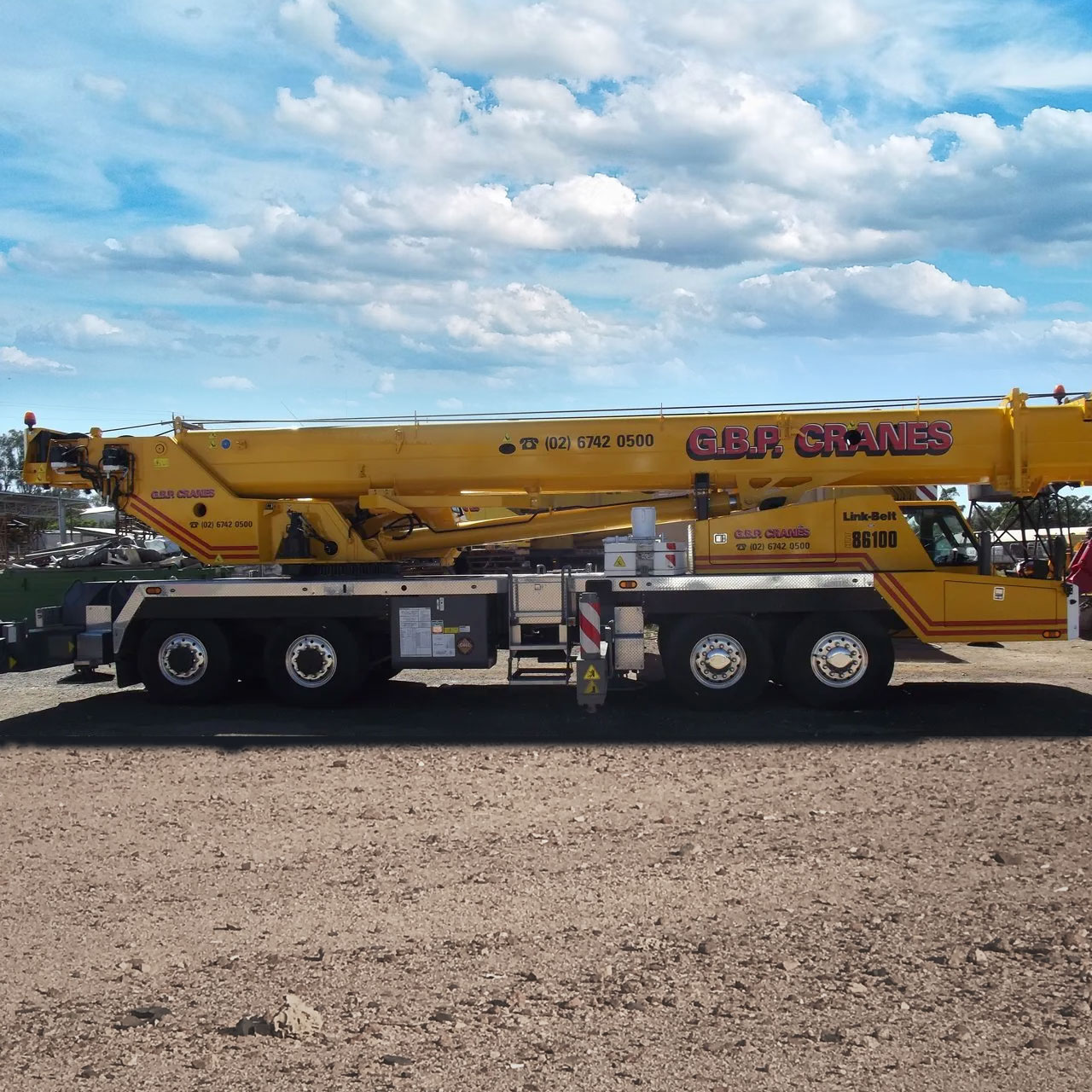
Selecting the right lifting equipment and clearly defining who is responsible for each part of the operation are critical for safe mining lifts. Poor equipment choice or unclear responsibilities are common root causes of incidents, even when the lift plan looks sound on paper. This stage is where the technical requirements of the lift are matched with the people and machinery that can complete it safely.
Lifting operators focus on three core questions at this point: what equipment can safely achieve the lift, who is competent to operate and control it and how responsibilities will be communicated so there is no ambiguity on site.
Equipment selection starts with the load data from the lift study. Weight, centre of gravity, lifting points, radius, height, ground conditions and access routes must be known before choosing any crane or lifting device. The chosen crane must operate comfortably within its load chart with a suitable safety margin for the maximum radius and configuration required.
On mining sites, this involves assessing whether a mobile crane, crawler crane, overhead crane or alternative is most appropriate. For example, a crawler crane may be preferred on soft or uneven ground, while a rough‑terrain mobile crane may be suitable for tighter spaces with prepared pads. Every selection must consider site constraints such as benches, haul roads, power lines, overhead conveyors and pit walls.
Once equipment is identified, specific people and legal roles must be assigned. On a mining lift, this typically includes a lifting supervisor, crane operator, rigger or dogger, spotters, maintenance or engineering representatives and a site safety or HSE contact. Each person must be competent for the task and hold the appropriate high-risk work licence where required.
The lifting supervisor coordinates the lift on site and is responsible for ensuring the plan is followed and conditions remain within the assumptions used in the planning stage. The crane operator is responsible for the safe operation of the crane within its limits and must have the authority to stop the lift if anything is unsafe. The rigger or dogger is responsible for selecting and attaching rigging, directing the crane and confirming that load orientation, tag lines and exclusion zones are correct.
Responsibilities must be documented in the lift plan and communicated at the pre‑lift briefing or toolbox talk. Everyone involved should know who gives signals to the operator who has the authority to stop the job and how changes will be approved if conditions differ from the plan.
On mining sites, lifting operations often interact with production traffic, drilling or blasting activities and other contractors. Part of assigning responsibilities is defining how the lifting crew interfaces with the mine control room or despatch, who requests road closures or traffic holds and who controls lockout or isolation of the nearby plant.
Clear communication methods must be set before the lift starts. Hand signals, radios and backup channels should be agreed upon and tested. A single designated person must give instructions to the crane operator to prevent conflicting signals. Exclusion zones around the lift area must have a named person responsible for establishing and maintaining barriers, spotters or signage so that no one enters the drop zone or crane slewing path while the lift is in progress.
A detailed lift plan is the foundation of safe lifting operations on mining sites. It turns a general lifting requirement into a controlled task with known risks, clearly assigned responsibilities and verified equipment. Without a robust plan, even routine lifts on familiar ground can become high‑risk activities.
The lift planning process is a structured exercise that brings together site information, load data, crane capability and operator expertise. The aim is to remove as much uncertainty as possible before the crane even sets up on site.
The first step is to collect accurate information about the mining environment and the specific load to be lifted. On mines, this means more than just knowing the weight. The lift plan should specify the exact location, access routes, ground type and proximity to slopes, drop‑offs, benches and active haul roads.
Load information must be confirmed from drawings, manufacturer data plates or certified weights. The plan should define the load weight, centre of gravity, dimensions, rigging points and any fragile or no‑lift areas. For example, lifting a large pump skid will require knowing if it is designed to be lifted from base frame lugs or if process nozzles could be damaged by side loading.
Environmental and operational constraints are also recorded at this stage. These include prevailing wind conditions, overhead power lines and services, nearby plants in operation, blast schedules, dust levels and lighting for night work. All of this shapes what equipment can be used and when the lift can be carried out safely.
Lift plans specify crane model, configuration, counterweights, outrigger or crawler positions and any requirement for additional support such as crane mats or ground improvement. On mining sites where ground conditions can be variable, the plan should reference geotechnical information or bearing capacity checks that justify outrigger or track loads.
Rigging details are documented in the plan rather than left to judgement on the day. This includes the type and capacity of slings, shackles, spreader beams, lifting frames and any special attachments. The configuration, including angles and connection points, is shown so that the actual rigging matches the engineered arrangement. Where loads are irregular, the plan should describe how load sharing will be achieved and how the centre of gravity has been accounted for.
A complete lift plan explains how the lift will be executed step by step. This covers crane set‑up sequence, test lifts, lifting path, slew restrictions, tag line use, intermediate landings and final placement. For tandem or multi‑crane lifts, the plan specifies which crane leads, load-sharing percentages and coordinated movements.
Control measures identified in the risk assessment are built into the plan. Examples are exclusion zones, traffic diversions, radio channels, hand signal standards, wind limits, maximum operating speeds and emergency stop procedures. On active mining sites, it is vital that the plan aligns with the mine’s isolation, permitting and emergency response systems.
Finally, the plan clearly allocates responsibilities. It names the lifting supervisor, crane operators, riggers and spotters and sets out their duties during the lift. It also specifies the requirement for pre‑lift briefings and sign-offs so everyone involved understands the plan before work begins.
Safe lifting on a mining site relies on tight control of the work area, clear communication and disciplined execution of the lift plan. Even a well-engineered lift can become unsafe if site conditions change or procedures are not followed in real time.
The lift focuses on controlling ground conditions, managing people and vehicles around the crane, monitoring the load throughout the entire movement and having emergency actions ready. Every person involved must understand their role and follow the lift plan without improvisation.
The priority is to clearly define the lift zone and keep it secure. This includes the crane setup area, the load pickup point, the travel path if the crane is carrying the load and the landing area.
A lift supervisor ensures physical barriers are in place, such as bunting cones or temporary fencing. No one is allowed under a suspended load, and non-essential personnel are kept well outside the drop and swing zone. On busy mining sites, this often requires coordination with production to halt or divert nearby activities such as truck haul routes or plant maintenance.
Ground conditions are checked again immediately before lifting. If there has been heavy rain nearby or digging or vibration from plants, the crane pads and access routes are reinspected for soft spots, subsidence or voids. Outriggers and mats are checked for correct placement, and any change in the crane configuration is recorded and communicated.
Safe lifting depends on strong communication between the operator, dogman or rigger and the lift supervisor. Before the lift starts, GBP Cranes & Heavy Haulage conducts a pre-lift briefing at the crane covering:
Hand signals are standard for close work with two-way radios, used when the operator does not have a clear line of sight. Radio checks are completed before the first pick, and spare batteries are kept on hand.
During the lift, the operator moves the load smoothly, avoiding sudden hoist or slew movements that can increase dynamic loading on the crane or lifting gear. The rigger or dogman watches the load closely, checking for snagging on fixed plant pipework or ground features.
Mining sites are dynamic, so expect conditions to change. Incoming weather traffic changes or new work starting nearby are treated as reasons to review the lift rather than work around them. If visibility drops, wind increases or new hazards appear, the lift is stopped, the area is made safe by lowering the load if possible and the plan is reviewed.
An emergency response process is agreed upon before work starts, covering scenarios. Knowing in advance who contacts whom, who secures the area and how to make the crane safe keeps the response controlled and reduces risk to people and equipment.
Planning safe lifting operations on mining sites is not an administrative formality; it is a non‑negotiable discipline that protects people, equipment, production, reputation and the long‑term viability of the business. From the earliest stages of job planning and site assessment, every step must be deliberate and documented. Competent people, clear roles and responsibilities and a culture that empowers anyone to stop the job if something does not look right are as critical as the machinery itself. When pre‑lift checks, toolbox talks, supervision and real‑time monitoring are combined with thorough post‑lift reviews and continuous improvement, lifting operations become predictable, repeatable and resilient. By treating every lift with the same structured approach, mining operations can complete lifts efficiently while reducing incidents. That is how safe lifting transforms from a cost to a strategic advantage on any mining site.
